Fence Contractor vs DIY: What Makes Even More Feeling?
A fencing is just one of those tasks that looks straightforward up until you're really in the backyard with the blog post holes before you, the weather condition changing by the hour, and the first straight rail refusing to line up the way it viewed Pinterest.
That's why the choice typically comes down to two things: what you're confident you can control, and what you agree to pay to stay clear of renovating. When individuals ask whether a fence contractor is "worth it," they're really asking whether they'll conserve money without losing time, quality, or sanity.
If you're in Melbourne, the choice can additionally be shaped by local problems, common material choices, and the realities of getting devices, allows, and assessments right. Either way, the smarter action is the one that matches the secure fencing job you're taking on.
Let's break down just how to select in between employing fencing contractors and going DIY, with the functional details that actually matter on site.
What changes when you go DIY
DIY secure fencing can be a wonderful task, specifically when the work is little and the fence design is straightforward. Numerous property owners begin with the assumption that they'll "simply mount posts, attach rails, and install the panels." That part is true.
The difficult part is every little thing that borders it.
First, there's format and straightness. A fencing looks penalty from the footpath, but if the blog posts wander a few millimetres over the size of the run, the gaps in between panels or pickets begin to reveal. As soon as one area is a little out, it's difficult to remedy without revamping the messages or shedding placement across multiple spans.
Then comes ground problems. In a common Melbourne suburban block, you might strike compressed dirt, tree origins, clay that holds onto moisture, or areas that feel firm up until the auger finds something unexpected. If you're digging by hand, the task can become back-breaking quickly. If you're leasing an auger, you still need stable method to maintain holes upright and consistent in depth.
Finally, there's the "undetectable" work: bracing, levelling, and setting the messages so the fencing doesn't end up looking wavy after the very first tornado. The fence needs to survive the real weather condition, not just the day you set up it.
When do it yourself works well, it's usually because the range is reasonable, the materials are uncomplicated, and you have the time to do it very carefully. When it goes wrong, it's frequently due to the fact that something little was missed early, then the errors compound.
When a fence contractor makes their keep
A trusted Fence company or Fence company Melbourne does greater than "set up panels." The majority of the worth remains in how they manage variables you may not wish to handle: site assessment, proper footing, consistent spacing, straight placement, and product handling.
Even if you buy the products yourself, having a knowledgeable Fence installer on website can make a distinction in the surface and longevity. A Fencing contractor likewise tends to recognize the ideal approach for various fencing types, whether it's timber paling, Colorbond-style metal fence, post-and-rail, or masonry-style bases (depending on the property and layout).
Where they commonly conserve you cash remains in avoiding rework. Changing a section since the post spacing was off, or because the grounds weren't deep enough or weren't done appropriately, sets you back more than work would have. And also, you avoid the timeline catch. DIY jobs increase when the backyard becomes a building and construction area, when deliveries get delayed, or when somebody knows a device is missing after the holes are currently marked.
There's likewise the paperwork and conformity side, which varies based on where you live and the fence's height, limit area, and materials. Even without naming any details legal needs, it prevails for house owners to find that fence isn't simply a craft task, it's a procedure. A specialist group is used to that process, and they can decrease the threat of issues later.
The actual expense contrast, not the heading price
People contrast a quote from a fencing contractor to the cost of acquiring materials for DIY. That comparison is typically misleading, since it overlooks the surprise prices that show up when you do it yourself.
For DIY, concealed expenses can include tool rental or purchase, extra products when you miscut or damages parts, disposal of offcuts and dirt, and the expense of time. If you have to take days off best vinyl fencing installers work to await distributions or to suit weather, those days become expensive in a way that doesn't appear on a spreadsheet.
For a service provider, hidden costs are less evident. You see an overall cost, yet what's inside it is work time, site prep work, setup technique, and ending up. Often quotes differ because one professional includes things like footing deepness and positioning improvements, and another quote does not clearly specify what's included.
A beneficial way to think of expense is this: do it yourself has a tendency to be less costly in cash terms when the work is small, the ground is kind, and your strategy is solid. Professional setup often tends to be less expensive total when the fence is long, the layout is complex, or the website conditions are unpredictable.
A fast truth check: what fencing jobs match DIY?
DIY can be a good suitable for particular fence situations. I've seen it work well when the home owner treats the work like a collection of controlled actions, not a weekend rush.
If you're intending a short run, you have good accessibility to the site, and you're making use of a simple fencing system with consistent panel dimensions, do it yourself is far more attainable. Similarly, if you're changing an existing fencing and the article positions are currently developed, you may only need to duplicate an existing format rather than design everything from scratch.
But if you're building a fencing from limit to boundary with long spans, or you anticipate irregular ground, do it yourself comes to be a lot a lot more demanding. That's when expert setup starts to look less like a deluxe and more like risk management.
Here's a short way to judge whether DIY is sensible for your situation:
- The fencing length is manageable for you to measure, laid out, and install without consistent stopping.
- Your ground is reasonably easily accessible and you won't need major excavation throughout numerous areas.
- You have time to do placement appropriately, not just "obtain it standing."
- The design uses regular elements with very little custom cuts.
- You're comfortable handling tools safely and getting rid of waste responsibly.
If a lot of those are "no," a specialist is most likely the much better call.
What an excellent fence contractor really does on site
Even the cleanest fence starts with site prep work. A solid group usually starts with determining and laying out lines so the fence run is straight and the spacing matches the design.
Next, they prepare for how the fence will execute over time. Articles need appropriate ground and spacing so the structure stands up to leaning and activity. That consists of how they manage ground abnormalities and how they sustain the fence during installation.
Then there's the positioning work most DIYers don't completely appreciate up until they remain in the middle of it. An excellent Fencing Installer Melbourne design of handiwork (or any kind of Melbourne-based team) focuses on straight rails and constant elevations so the completed fencing looks attire. That's not just aesthetic. Uniformity influences just how panels and pickets rest, and it impacts long-term weathering.
Finally, reliable Fence contractor teams handle completing details: cool cutting, secure dealings with, and tidy edges. It's right stuff you discover after setup, and it's additionally right stuff that can trigger upkeep problems if it's rushed.
The Melbourne aspect: why conditions matter
Melbourne fencing experiences usually come down to two things: variable climate and regular country website layouts. Tornados are not uncommon, and fences are revealed frameworks. If you set up with minimal supporting, superficial grounds, or sloppy placement, the fencing could look great at first and afterwards reveal troubles later.
Wind lots, soil motion, and drain can make a huge distinction. Also within the very same residential area, one area of yard can be firmer and drier while another holds moisture or has extra roots. An expert group anticipates that variant and strategies around it.
Also, Melbourne house owners typically choose products that fit both aesthetics and upkeep demands. Lumber fences, for example, can be wonderful however require the appropriate dealing with strategy and treatment method. Steel fence can be sturdy, yet it still relies on right message placement and protecting. The product type issues, however the installation technique matters equally as much.
DIY pitfalls I have actually seen (and just how they appear)
Here are a couple of typical concerns that turn a fence job right into a rework job. These aren't "doom and gloom," they're just patterns.
One problem is post depth and stability. If posts are set with insufficient ground or inconsistent depth, the fencing can lean over time. Often it resembles a gentle tilt initially, then it ends up being more visible after seasonal ground shifts.
Another problem is spacing. Pickets and panel spaces look minor during dimension, however the eye captures irregular spacing immediately. If you're dealing with numerous cuts, it's simple to wind up with one run that discreetly changes over length.
Then there's the "straight line" trouble. Numerous DIY fencings end up a little bumpy because the rails or top lines were established visually rather than using a correct recommendation line. A fencing can look appropriate from one angle but show the waviness from another.
Finally, correctings and sealing matter. Improperly safeguarded components can loosen. Lumber components can take in wetness where they shouldn't. Steel parts can be at risk if the fixings are wrong for the product. Even if you toenail the layout, the wrong information can produce upkeep headaches later.
If you're tempted to do it yourself, it deserves asking on your own whether you want to hang around getting those details right, or whether you're wishing they will not be a large deal.
When employing a fence company is the smarter move
If you desire the work done once and done correctly, hiring fencing contractors is typically the much better course. It makes good sense when:
- the fencing is lengthy or complicated, with numerous edges and transitions
- you're mounting over irregular ground or near challenges
- you desire a constant coating that matches an existing section
- you don't have the tools, tools, or time for exact set-out
- you prefer to focus on approvals and organizing than digging and positioning
A fence installer group also assists manage the timeline. Products are purchased, the site is prepared effectively, and the set up is arranged with fewer "stuck waiting" gaps. For a lot of homeowners, that alone is worth it.
There's an additional angle as well: quality assurance. An expert work has a tendency to have a process, also if every website is various. They measure, they mount, and they examine positioning prior to finishing. That decreases the possibility of an awkward "we'll fix it later on" moment.
What to ask a fence contractor prior to you commit
If you do work with a specialist, don't treat it like a casual conversation. Ask questions that reveal whether they comprehend your website and your fencing goals. Below's a small set of inquiries that normally separates solid installers from the ones who are simply going after a fast job.
- What's consisted of in the quote, particularly grounds, alignment, and any kind of trimming or finishing?
- Can you define just how you set out the fencing line and maintain it directly over lengthy runs?
- What products will you make use of for messages, rails, and correctings, and why those choices?
- How do you handle uneven ground, origins, or adjustments in dirt conditions?
- What's the expected timeframe, and what occurs if materials or website access causes delays?
Pay interest to just how they respond to. Clear descriptions, particular details, and useful recommendations are good indicators. Vague answers and "it'll be fine" talk are indicators to reduce down.
DIY done well: a functional method to approach it
If you choose DIY is ideal for you, the very best result originates from being methodical. The goal isn't speed, it's control.
Start with a strategy. Action carefully, confirm the run and edges, and choose the fencing style prior to you buy anything. If you're changing an existing fencing, match the spacing and arrangement as carefully as possible.
Next, take your time on set-out. Make use of a proper line and inspect it usually. Several DIY issues originate from the very first few messages. If your very first messages are correct, everything after them is simpler.
Then plan for post setup. Post spacing requires consistency, and holes need to be vertical and at ideal depth for security. If you remain in doubt, it's better to fix the approach early than to spot it later.
Finally, concentrate on completing details. Secure correctings, clean trims, and cautious placement are what turn a DIY fence from "great" to really good.
You do not need to be best, yet you do require to be consistent.
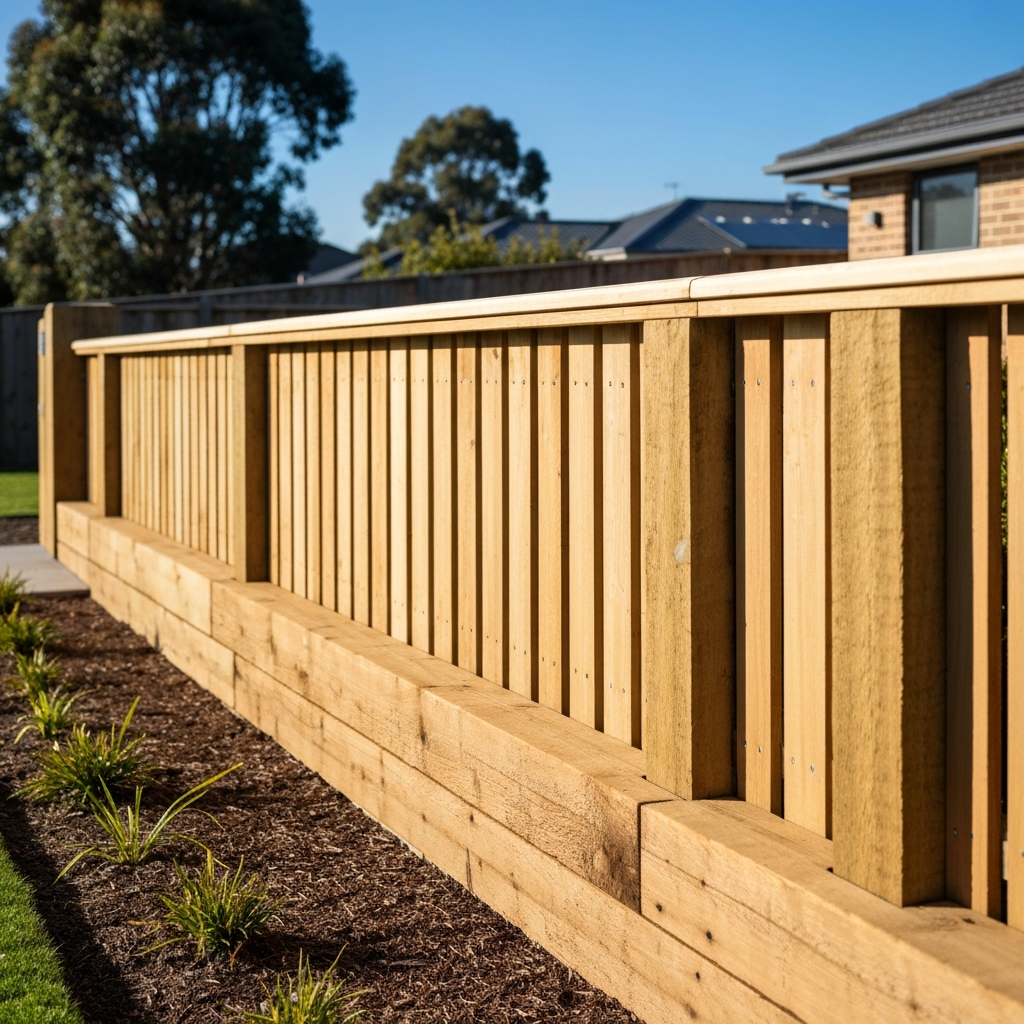
The greatest compromises, laid bare
This is where most choices get emotional, because cash and time feel personal. However the trade-offs are predictable.
DIY compromises usually resemble this: you save money on work, yet you hang out. You additionally handle the danger of tiny mistakes that become costly to take care of. In exchange, you regulate the speed and you obtain the satisfaction of building something yourself.
Contractor trade-offs fence installer look various: you pay for labour and knowledge, but you lower the risk of rework and you obtain an even more trusted timeline. You're additionally spending for experience in set-out, footing stability, and fence positioning, which are the components that determine whether the fencing looks good for years or starts to show issues sooner.
In other words, DIY is a bet on your capability to regulate the work. Hiring a specialist is a bet on their process and quality.
Choosing between hardwood, metal, and design (without losing the plot)
Fence product choices affect the do it yourself vs specialist decision. Wood paling fence frequently appeals to DIYers because it can be convenient and flexible visually, but it still requires appropriate taking care of, regular spacing, and careful weatherproofing selections. If the installation is off, hardwood fencings can reveal motion even more quickly.
Metal secure fencing systems can be durable, but they still call for correct article alignment and safe attachment. The blog posts are the structure, and blunders there are not easy to hide.
The fencing style can additionally impact complexity. A basic straight run of matching panels is less complicated to do it yourself than a fence with tilted sections, custom heights, or multiple changes. If you're including entrances, that's an additional degree of precision. Gates require placement and supporting, and they often tend to expose tiny installment errors quickly.
When you're deciding DIY, it aids to treat "complexity" as part of the extent, not just a design preference.
So, what makes more sense for your situation?
If you're still weighing it, here's a sensible way to determine without overthinking.
If your fence job is brief, the site is simple, and you're willing to gauge two times and build slowly, do it yourself can make sense. You'll likely conserve cash, and you'll get experience that aids with future repairs.
If your fencing is long, you have uneven ground, you're working around barriers, you appreciate a consistent coating, or you desire a reliable timeline, employing a fence contractor or a Fencing Installer Melbourne group is typically the far better action. You pay even more, yet you minimize the chance of ending up with a fencing that looks fine today and causes grievances tomorrow.
Either course can produce a wonderful outcome. The difference is whether you're gotten ready for the parts that aren't glamorous: set-out, footing security, positioning, and finishing details that survive climate and time.
Final thought: pick the strategy you will not regret mid-project
There's a factor in nearly every fence construct where the job stops being theory and ends up being physical. You're looking at a gauged line, you've got a post opening fifty percent dug, and the weather condition is shifting. That's when remorse shows up, not when you're surfing materials.
So select the choice that supports the fact of that moment. If you feel confident you can carry out with treatment, DIY can be fulfilling. If you desire the task managed with specialist set up, regular setup, and less danger of rework, a specialist is usually the smarter investment.
Whether it's a Fence firm Melbourne job, a neighborhood fencing contractors group, or your very own hands, your fencing deserves to be directly, strong, and developed for the conditions you actually have.